

Resource Library
Identity-Affirming Resources & Tools
This resource library brings together trusted organizations, scholarly research, books, and educational tools that have shaped my understanding of gender, sexuality, belonging, mental health, and affirming care.
Resource Library
Browse Every Resource
Choose a category to explore. Filter organizations and research by who you are supporting, or play a video right here.
Filter by audience
No one should have to navigate these challenges alone. The resources below were selected to help youth, families, and school communities access trusted support.
Connects parents, allies, and LGBTQ+ people to build a brighter future, with local community and trusted resources for caregivers and their families.
Youth & Families

A safe, affirming space for youth ages 13–22 to connect with peers, build leadership, and care for their mental and physical health, in person or online.
Youth & Families
The leading suicide-prevention and crisis nonprofit for LGBTQ+ young people, offering free, confidential support by phone, text, and chat, 24/7.
Youth & Families
A nonprofit uplifting and connecting LGBTQ+ young people worldwide through storytelling, community, and resources that remind them they’re never alone.
Youth & Families

Comprehensive, affirming youth development and healthcare, including transgender health services and hormone replacement therapy for ages 18–24.
Youth & Families · Clinicians

Welcoming, confidential medical and mental health care for LGBTQ+ youth ages 13–24, free or low-cost, with insurance accepted, so cost is no barrier.
Youth & Families · Clinicians
Trans peer support run by and for trans people, working toward a world where every trans person has the connection, security, and care they deserve.
Youth & Families

Creates safe, respectful learning environments for all youth through supportive policy, well-prepared educators, and inclusive curriculum.
Schools & Educators
Empowers youth, families, and communities through gender-affirming services, training, and research, advancing gender inclusivity as social justice.
Youth & Families · Clinicians
Strengthens family and community support for LGBTQ+ children and youth, lowering health risks so they can thrive, heal, and feel safe and valued.
Youth & Families · Clinicians
Works toward a gender-inclusive world for all children and youth, helping families, organizations, and institutions deepen their understanding of gender.
Schools & Educators · Youth & Families

A wealth of resources for building inclusive schools and supporting LGBTQ+ youth, from transitioning and family guidance to research on their resilience.
Schools & Educators · Youth & Families
Open 24/7, offering homeless and at-risk LGBTQ+ youth far more than a bed, from drop-in services to transitional housing and job-readiness training.
Youth & Families
Curates resources and connects educators, students, and families building an inclusive biology curriculum that affirms the full diversity of learners.
Schools & Educators
Supports parents and children through the coming-out process, helping caregivers know what to expect and keep the whole family strong and connected.
Youth & Families

A free, research-backed guide built for and with LGBTQ+ teens, a private, digital space to explore identity and mental health at their own pace.
Youth & Families
Below are a selection of quick, but accessible videos that share helpful information across a variety of topics relevant to supporting LGBTQ+ youth.
What is Gender-affirming care?
What to do when your child comes out
TrevorTalk: Supporting LGBTQ+ Youth
LGBTQ+ Youth of Color Lived Experiences
Puberty in Intersex & Non-Binary People
The Science of being transgender
The symptoms of gender dysphoria
My Friend came out as Transgender
Self Care: LGBTQIA+ Youth Mental Health
Ted Talk: Supporting LGBTQ+ students
TrevorTalk: Signaling Allyship
TrevorTalk: How to talk about suicide
Research has highlighted a dangerous gap in sexuality education within social work programs, leaving many clinicians underprepared to engage confidently with issues of gender and sexuality.
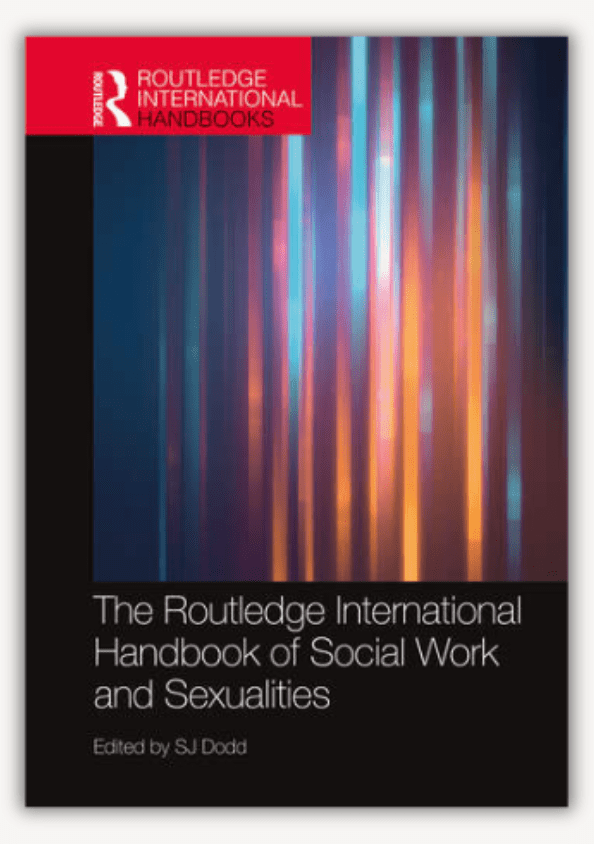
The Routledge International Handbook of Social Work and Sexualities
This quintessential handbook offers a comprehensive, current, and international look at sexuality through a social work lens. Bringing together leading scholars, it explains why each issue matters and weighs the prevailing views, offering diverse and inclusive perspectives throughout. Its chapters move across structural context, sexual identities, and sexuality through the lifespan, into health, mental health, and sexual well-being, including pleasure, desire, and consent, before closing with practice issues and the legislation that regulates sexuality. A grounding, wide-ranging reference for clinicians building affirming practice.

Sex Positive Social Work
Most social workers, like most Americans, grew up treating conversations about sex as taboo, yet sexuality is central to our lives and surfaces in nearly every practice setting. Clinicians routinely meet clients navigating sexual and gender identity, reproductive concerns, sexual abuse and violence, troubled relationships, and sexually transmitted infections. Even so, honest conversations about healthy sexuality remain largely absent from social work literature, education, and practice. Dodd names this enduring “conspiracy of silence” and makes the case for finally breaking it.

Monogamous Mind, Polyamorous Terror
Monogamy is not a practice, but a system and a way of thinking. The monogamous mind extends from our romantic relationships with our national identities in a historic development linked to capitalism and colonialism. Monogamy is the latest step in the binary sex-gender system and must be observed as a part of it. Following the works of, among others, Michel Foucault, Arthur Evans, and Silvia Federici, as well as Frantz Fanon and Cedric Rodinson in colonialism, we can observe how the implementation of compulsory monogamy took place and where. Also, which are the key points to observe when we analyse forms of non-monogamy in the Occidental context.
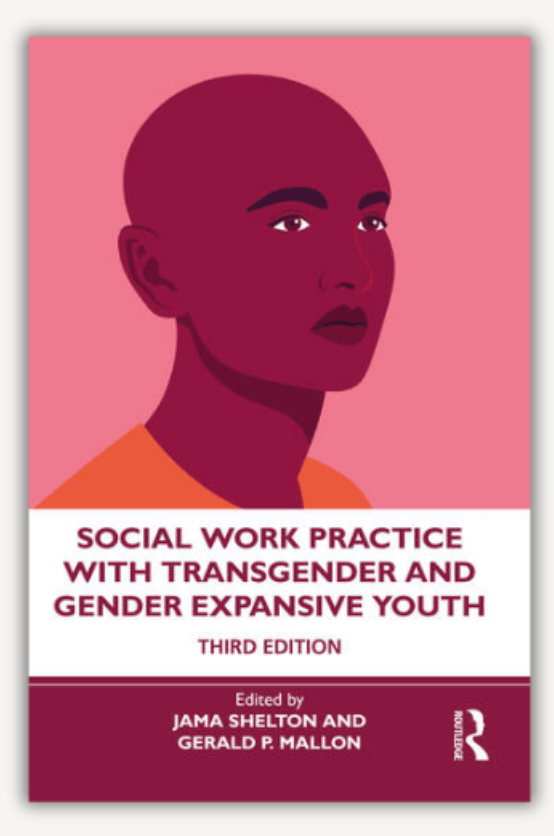
Social Work Practice with Transgender and Gender Expansive Youth
This text offers foundational knowledge for social workers supporting trans and gender-expansive youth, exploring their childhood and adolescent experiences with real care and depth. It is organized through four forms of knowledge, lived expertise, community-based, practice, and formal education, balancing theory with rich personal narratives and case studies. Updates reflect recent changes to the WPATH guidelines and the NASW Code of Ethics, with new material on the origins of gender identity, non-binary identities, intersectionality, trauma-informed interventions, and ethical practice.
Filter by focus
The resources below represent a selection of peer-reviewed scholarship that informs my understanding of gender, sexuality, mental health, and family systems.
Mental Health & Well Being
Research examining mental health outcomes, resilience, minority stress, and protective factors among LGBTQ+ and TGNC youth and adults.
Natural Mentoring and LGBTQ Youth: A Systematic Review
Burningham, K. L., & Weiler, L. M. (2021). Natural Mentoring and LGBTQ Youth: A Systematic Review. Adolescent Research Review, 6(4), 391–407. https://doi.org/10.1007/s40894-020-00146-x
The Gender Minority Stress and Resilience Measure: Psychometric Validity of an Adolescent Extension
Hidalgo, M. A., Petras, H., Chen, D., & Chodzen, G. (2019). The gender minority stress and resilience measure: Psychometric validity of an adolescent extension. Clinical Practice in Pediatric Psychology, 7(3), 278–290. https://doi.org/10.1037/cpp0000297
Johns, M. M., Lowry, R., Haderxhanaj, L. T., et al. (2020). Trends in violence victimization and suicide risk by sexual identity among high school students — Youth Risk Behavior Survey, United States, 2015–2019. Morbidity and Mortality Weekly Report, 69(Suppl-1), 19–27. https://doi.org/10.15585/mmwr.su6901a3
2025 U.S. National Survey on the Mental Health of LGBTQ+ Young People
Nath, R., Matthews, D.D., DeChants, J.P., Hobaica, S., Clark, C.M., Taylor, A.B., & Muñoz, G. (2025). 2025 U.S. National Survey on the Mental Health of LGBTQ+ Young People. West Hollywood, California: The Trevor Project. Retrieved from https://www.thetrevorproject.org/survey-2025/
Family Acceptance & Caregiver Support
Research exploring family acceptance, rejection, caregiving relationships, chosen family, and family-based interventions that influence wellbeing and development.
Blair, K. L., & Pukall, C. F. (2015). Family matters, but sometimes chosen family matters more: Perceived social network influence in the dating decisions of same- and mixed-sex couples. The Canadian Journal of Human Sexuality, 24(3), 257–270. https://doi.org/10.3138/cjhs.243-A3
Kim, S., & Feyissa, I. F. (2021). Conceptualizing “Family” and the Role of “Chosen Family” within the LGBTQ+ Refugee Community: A Text Network Graph Analysis. Healthcare (Basel), 9(4), 369. https://doi.org/10.3390/healthcare9040369
Matarese, M., Greeno, E., Weeks, A., Lorthridge, J., Hammond, P., & Deinhart, S. (2024). Building Connections Between Chosen Family and Kin: A Culturally Adapted Program for LGBTQ+ Children, Youth, and Their Families. Families in Society, 105(1), 81–93. https://doi.org/10.1177/10443894231204538
Family of origin, not chosen family, predicts psychological health in a LGBTQ+ sample.
Milton, D. C., & Knutson, D. (2023). Family of Origin, Not Chosen Family, Predicts Psychological Health in a LGBTQ+ Sample. Psychology of Sexual Orientation and Gender Diversity, 10(2), 269–278. https://doi.org/10.1037/sgd0000531
Family-Based Psychosocial Care for Transgender and Gender-Diverse Children and Youth
Ryan, C., Barba, A., & Cohen, J. A. (2023). Family-Based Psychosocial Care for Transgender and Gender-Diverse Children and Youth. Child and Adolescent Psychiatric Clinics of North America, 32(4), 775–788. https://doi.org/10.1016/j.chc.2023.03.002
Ryan, C., Huebner, D., Diaz, R. M., & Sanchez, J. (2009). Family Rejection as a Predictor of Negative Health Outcomes in White and Latino Lesbian, Gay, and Bisexual Young Adults. Pediatrics (Evanston), 123(1), 346–352. https://doi.org/10.1542/peds.2007-3524
Family Acceptance in Adolescence and the Health of LGBT Young Adults
Ryan, C., Russell, S. T., Huebner, D., Diaz, R., & Sanchez, J. (2010). Family acceptance in adolescence and the health of LGBT young adults. Journal of Child and Adolescent Psychiatric Nursing, 23(4), 205–213. https://doi.org/10.1111/j.1744-6171.2010.00246.x
Schools, Education & Youth Development
Research examining school climate, teacher support, victimization, educational systems, and developmental experiences of LGBTQ+ youth.
Ancheta, A. J., Bruzzese, J. M., & Hughes, T. L. (2021). The impact of positive school climate on suicidality and mental health among LGBTQ adolescents: A systematic review. The Journal of School Nursing, 37(2), 75–86. https://doi.org/10.1177/1059840520970847
The importance of teacher support: Differential impacts by gender and sexuality
Dessel, A. B., Kulick, A., Wernick, L. J., & Sullivan, D. (2017). The importance of teacher support: Differential impacts by gender and sexuality. Journal of Adolescence, 56, 136–144. https://doi.org/10.1016/j.adolescence.2017.02.002
Russell, S. T., Ryan, C., Toomey, R. B., Diaz, R. M., & Sanchez, J. (2011). Lesbian, Gay, Bisexual, and Transgender Adolescent School Victimization: Implications for Young Adult Health and Adjustment. The Journal of School Health, 81(5), 223–230. https://doi.org/10.1111/j.1746-1561.2011.00583.x
Toomey, R. B., Ryan, C., Diaz, R. M., Card, N. A., & Russell, S. T. (2010). Gender-Nonconforming Lesbian, Gay, Bisexual, and Transgender Youth: School Victimization and Young Adult Psychosocial Adjustment. Developmental Psychology, 46(6), 1580–1589. https://doi.org/10.1037/a0020705
Healthcare Access & Gender-Affirming Care
Research examining affirming healthcare, access to services, barriers to care, and healthcare systems.
Cisgenderism in psychology: pathologising and misgendering children from 1999 to 2008
Ansara, Y. G., & Hegarty, P. (2011). Cisgenderism in psychology: Pathologising and misgendering children from 1999 to 2008. Psychology & Sexuality, 3(2), 137–160. https://doi.org/10.1080/19419899.2011.576696
Bauer, G. R., Hammond, R., Travers, R., Kaay, M., Hohenadel, K. M., & Boyce, M. (2009). “I Don’t Think This Is Theoretical; This Is Our Lives”: How Erasure Impacts Health Care for Transgender People. The Journal of the Association of Nurses in AIDS Care, 20(5), 348–361. https://doi.org/10.1016/j.jana.2009.07.004
Degtiar, I., Kim, J., Michaels, E. K., Huff, I. R., Rudacille, M. E., Clusen, N. A., Ferguson, A., Smith-Howell, E. R., & Gonzales, G. (2025). Disparities in Preventive Health Services Between Transgender and Cisgender Adults by State-Level Policy Environments. American Journal of Preventive Medicine, 69(4), Article 107954. https://doi.org/10.1016/j.amepre.2025.107954
LEGITIMATING TRANSPHOBIA The legal disavowal of transgender rights in prison
Erni, J. N. (2012). Legitimating transphobia: The legal disavowal of transgender rights in prison. Cultural Studies, 27(1), 136–159. https://doi.org/10.1080/09502386.2012.722305
Hendricks, M. L., & Testa, R. J. (2012). A Conceptual Framework for Clinical Work With Transgender and Gender Nonconforming Clients: An Adaptation of the Minority Stress Model. Professional Psychology, Research and Practice, 43(5), 460–467. https://doi.org/10.1037/a0029597
Minority Stress & Early Development
Research exploring the effects of discrimination, marginalization, transphobia, systemic oppression, and social exclusion on wellbeing and identity development.
Blyth, C., & McRae, P. (2018). “Death by a Thousand Paper Cuts”: Transphobia, Symbolic Violence, and Conservative Christian Discourse. In Rape Culture, Gender Violence, and Religion: Interdisciplinary Perspectives (pp. 111-133). Cham: Springer International Publishing.
Hendricks, M. L., & Testa, R. J. (2012). A Conceptual Framework for Clinical Work With Transgender and Gender Nonconforming Clients: An Adaptation of the Minority Stress Model. Professional Psychology, Research and Practice, 43(5), 460–467. https://doi.org/10.1037/a0029597
Miliora, M. T. (2000). Beyond empathic failures: Cultural racism as narcissistic trauma and disenfranchisement of grandiosity. Clinical Social Work Journal, 28(1), 43–54. https://doi.org/10.1023/A:1005159624872
Anti-Black Racism and Its Consequences: A Self Psychology/Object Relations Perspective
Whitsett, D. P., & Whitsett, D. A. (1996). Anti-Black Racism and Its Consequences: A Self Psychology/Object Relations Perspective. Journal of Analytic Social Work, 3(4), 61–81. https://doi.org/10.1300/J408v03n04_05
Community, Culture & Collective Resilience
Research highlighting the role of community, cultural spaces, chosen family networks, and collective care in fostering resilience and belonging.
Arnold, E. A., & Bailey, M. M. (2009). Constructing Home and Family: How the Ballroom Community Supports African American GLBTQ Youth in the Face of HIV/AIDS. Journal of Gay & Lesbian Social Services, 21(2–3), 171–188. https://doi.org/10.1080/10538720902772006
Huynh, J. (2023). “Family Is the Beginning but Not the End”: Intergenerational LGBTQ Chosen Family, Social Support, and Health in a Vietnamese American Community Organization. Journal of Homosexuality, 70(7), 1240–1262. https://doi.org/10.1080/00918369.2021.2018879
Jackson Levin, N., Kattari, S. K., Piellusch, E. K., & Watson, E. (2020). “We Just Take Care of Each Other”: Navigating ‘Chosen Family’ in the Context of Health, Illness, and the Mutual Provision of Care amongst Queer and Transgender Young Adults. International Journal of Environmental Research and Public Health, 17(19), 7346. https://doi.org/10.3390/ijerph17197346
Leisure as black survival: ballroom, vogue, and black queer and trans+ embodied activism in Canada
Joseph, J., & Bain, N. (2024). Leisure as black survival: ballroom, vogue, and black queer and trans+ embodied activism in Canada. Leisure (Waterloo), 48(2), 315–332. https://doi.org/10.1080/14927713.2024.2308911
Telander, K., Hosek, S. G., Lemos, D., & Jeremie-Brink, G. (2017). “Ballroom itself can either make you or break you” – Black GBT Youths’ psychosocial development in the House Ball Community. Global Public Health, 12(11), 1391–1403. https://doi.org/10.1080/17441692.2017.1293123
Relational Ethics & Clinical Practice
Research informing therapeutic relationships, mutuality, ethics, and relational approaches to care.
No Sex in Social Work: (the Lack of) Human Sexuality Courses in US Social Work Education
Velez, C., Sloan, L., Al-Kaabi, I., Cuddy, A., & Kerrigan, J. (2023). No Sex in Social Work: (the Lack of) Human Sexuality Courses in US Social Work Education. Journal of Human Rights and Social Work, 8(1), 2–13. https://doi.org/10.1007/s41134-022-00230-3
Alexander, C., & Charles, G. (2009). Caring, Mutuality and Reciprocity in Social Worker—Client Relationships: Rethinking Principles of Practice. Journal of Social Work: JSW, 9(1), 5–22. https://doi.org/10.1177/1468017308098420
The nature of practice wisdom in social work revisited
Chu, W. C. K., & Tsui, M. (2008). The nature of practice wisdom in social work revisited. International Social Work, 51(1), 47–54. https://doi.org/10.1177/0020872807083915
Social work as a moral and political practice
Chu, W. C. K., Tsui, M., & Yan, M. (2009). Social work as a moral and political practice. International Social Work, 52(3), 287–298. https://doi.org/10.1177/0020872808102064
Professional boundaries: Crossing a line or entering the shadows?
Doel, M., Allmark, P., Conway, P., Cowburn, M., Flynn, M., Nelson, P., & Tod, A. (2010). Professional boundaries: Crossing a line or entering the shadows? British Journal of Social Work, 40(6), 1866–1889. https://doi.org/10.1093/bjsw/bcq010
Relational ethics in immigrant families: The contextual therapy five‐dimensional framework
Glebova, T., Lal, A., & Gangamma, R. (2025). Relational ethics in immigrant families: The contextual therapy five‐dimensional framework. Family Process, 64(1), e13071-n/a. https://doi.org/10.1111/famp.13071
Race, Practice Behaviors and the NASW Code of Ethics
Jayaratne, S., Croxton, T. A., & Mattison, D. (2002). Race, Practice Behaviors and the NASW Code of Ethics. Journal of Social Service Research, 28(3), 65–89. https://doi.org/10.1300/J079v28n03_04
Working in Complexity: Ethics and Boundaries in Community Work and Mental Health.
Shevellar, L., & Barringham, N. (2016). Working in Complexity: Ethics and Boundaries in Community Work and Mental Health. Australian Social Work, 69(2), 181–193. https://doi.org/10.1080/0312407X.2015.1071861
Sinclair, A., Mahboub, L., Gillieatt, S., & Fernandes, C. (2023). ‘You Just Treat me like a Human Being’: Using Lived Experience to (Re)imagine Boundary Practices in mental health settings. The British Journal of Social Work, 53(3), 1408–1425. https://doi.org/10.1093/bjsw/bcad044
Emotional Regulation Tool
The Feelings Wheel
Most of us get by on a few blunt words for how we feel, but “fine” and “bad” only take us so far. The Feeling Wheel opens six core emotions into more precise vocabulary, because a feeling we can name is one we can start to understand, embody, and express to others.
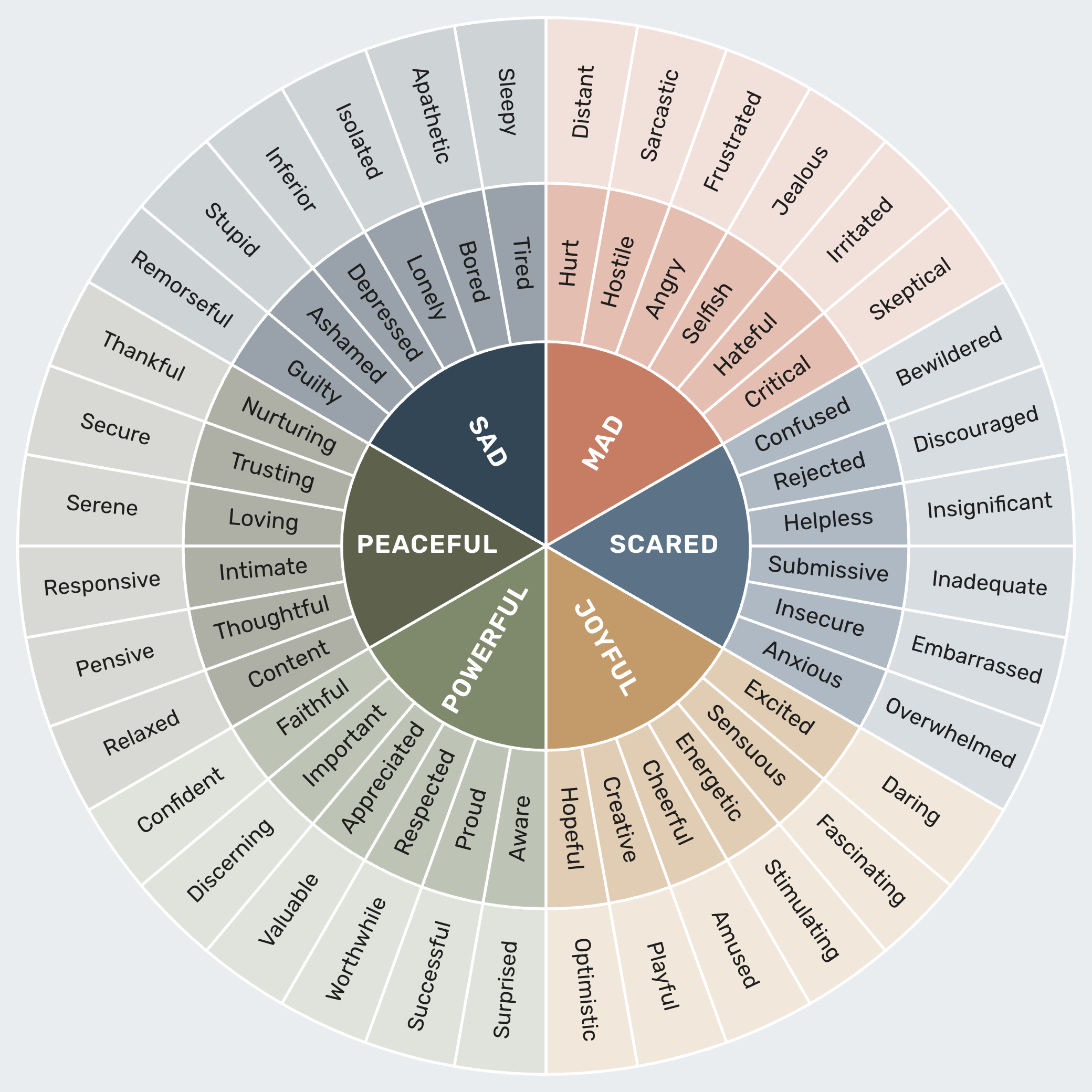
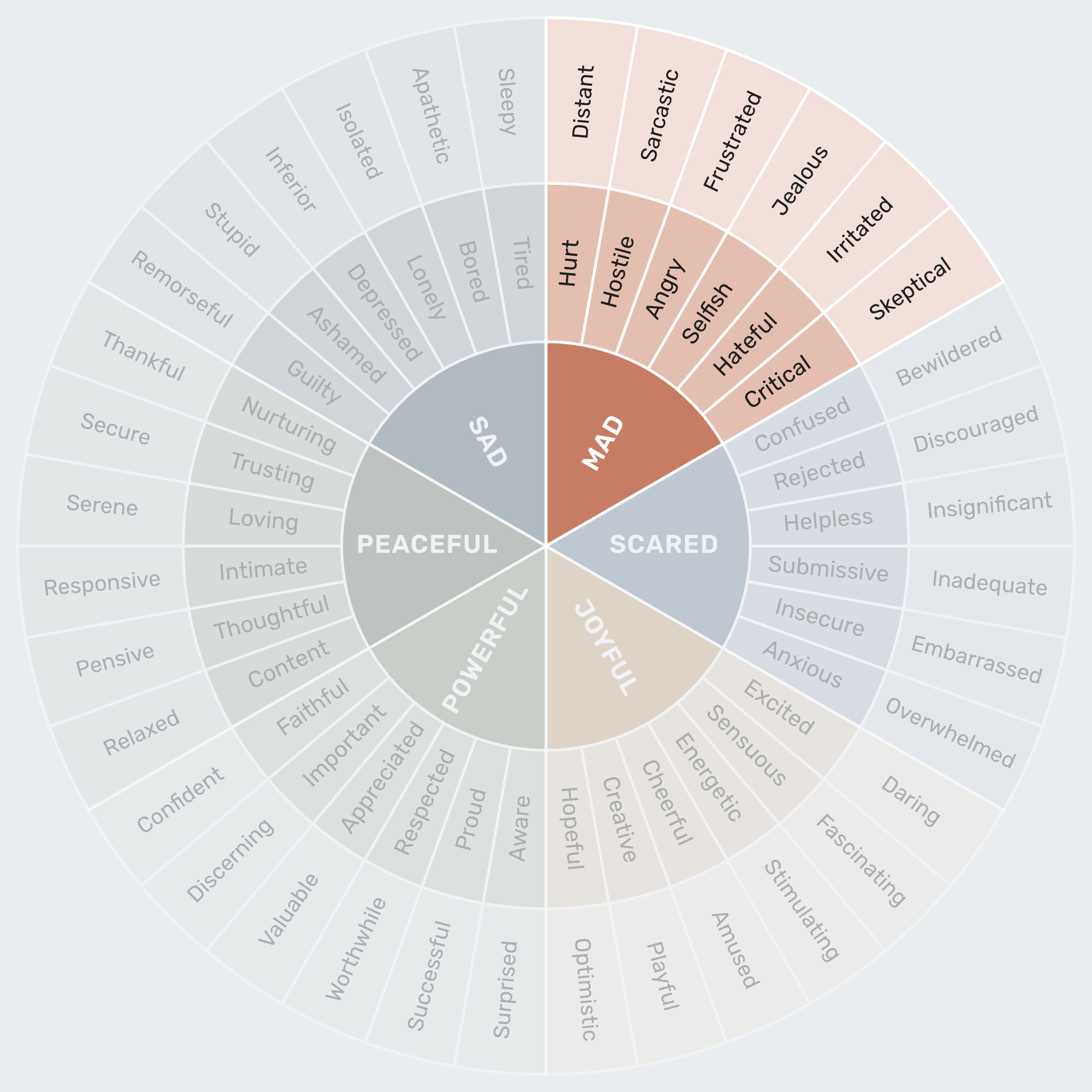
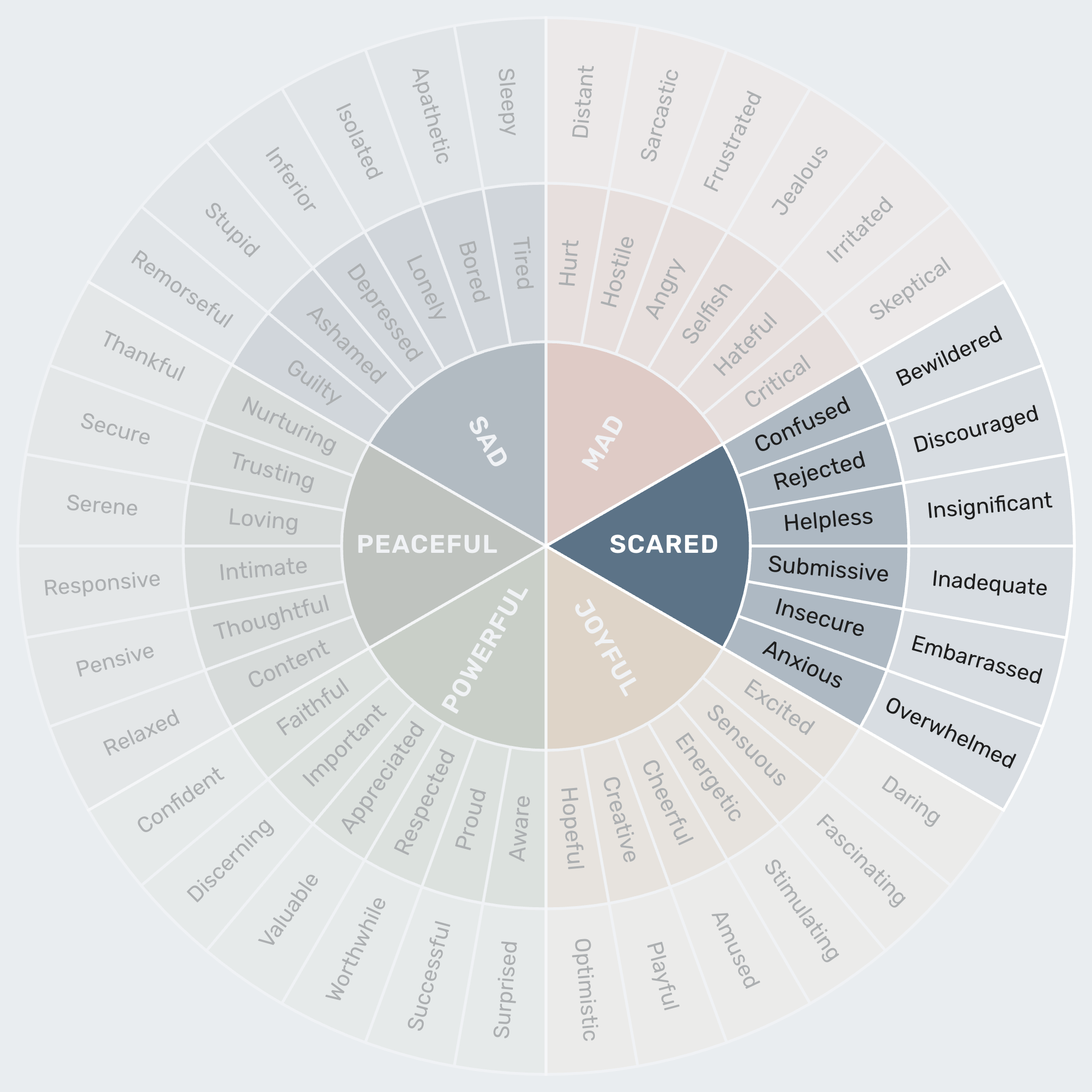
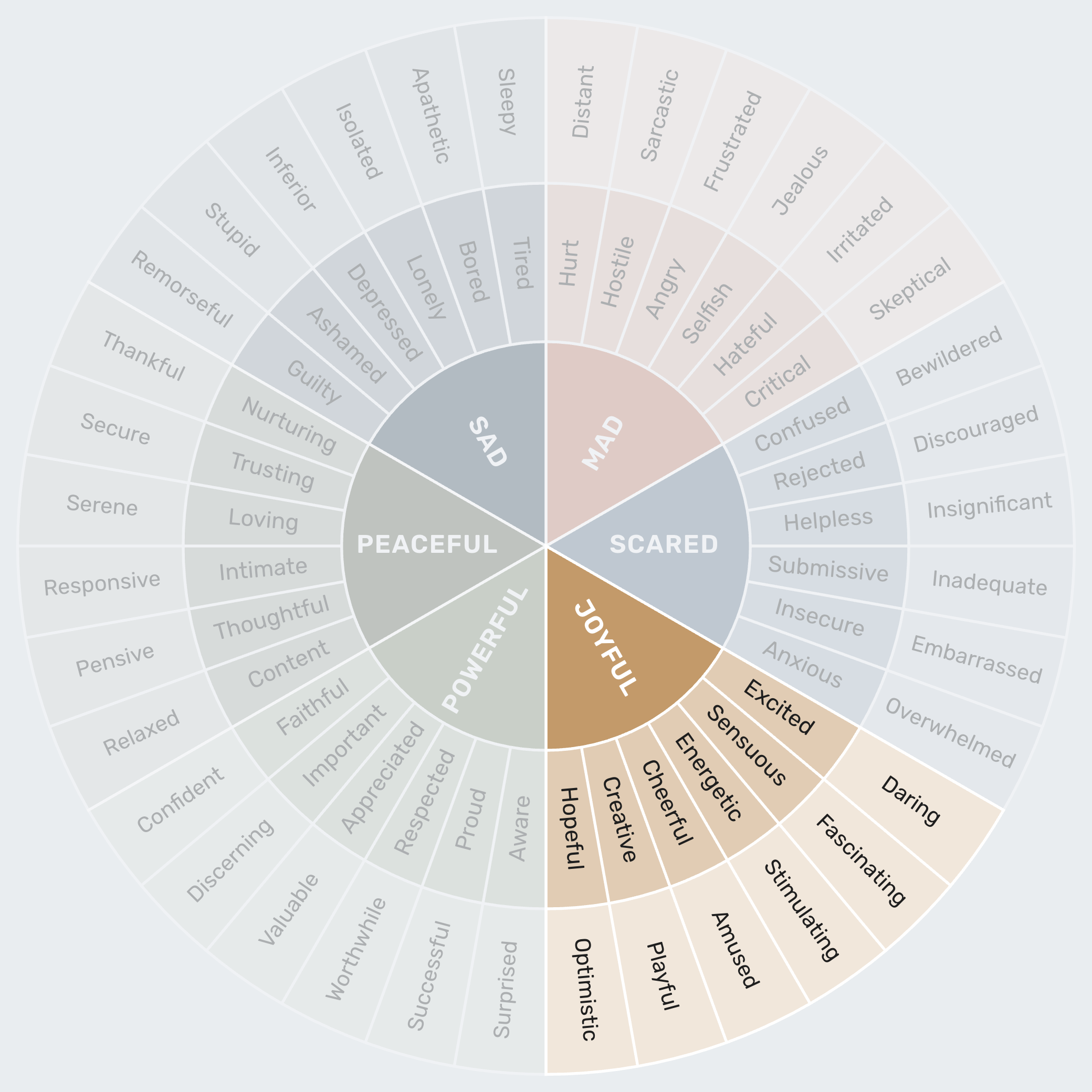
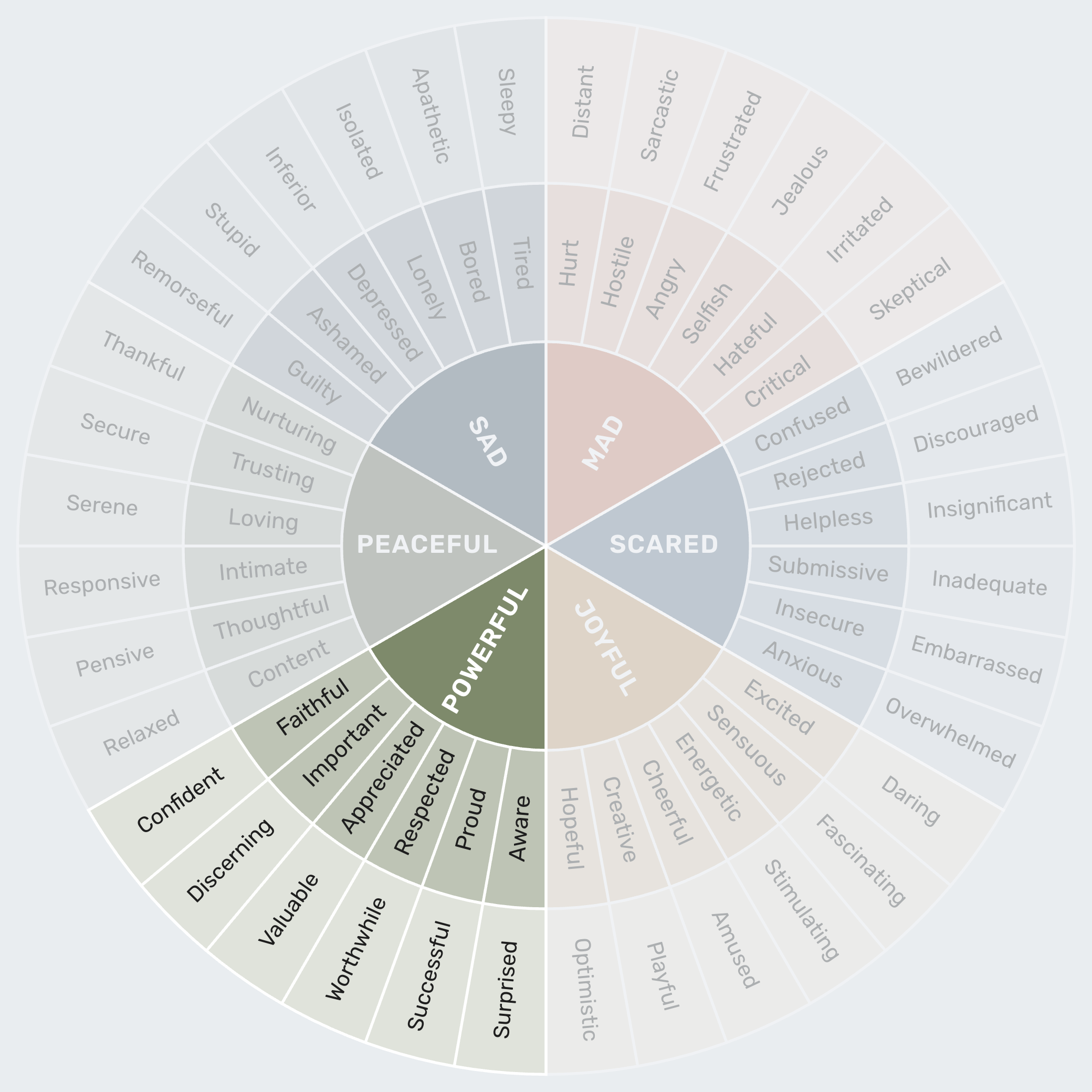
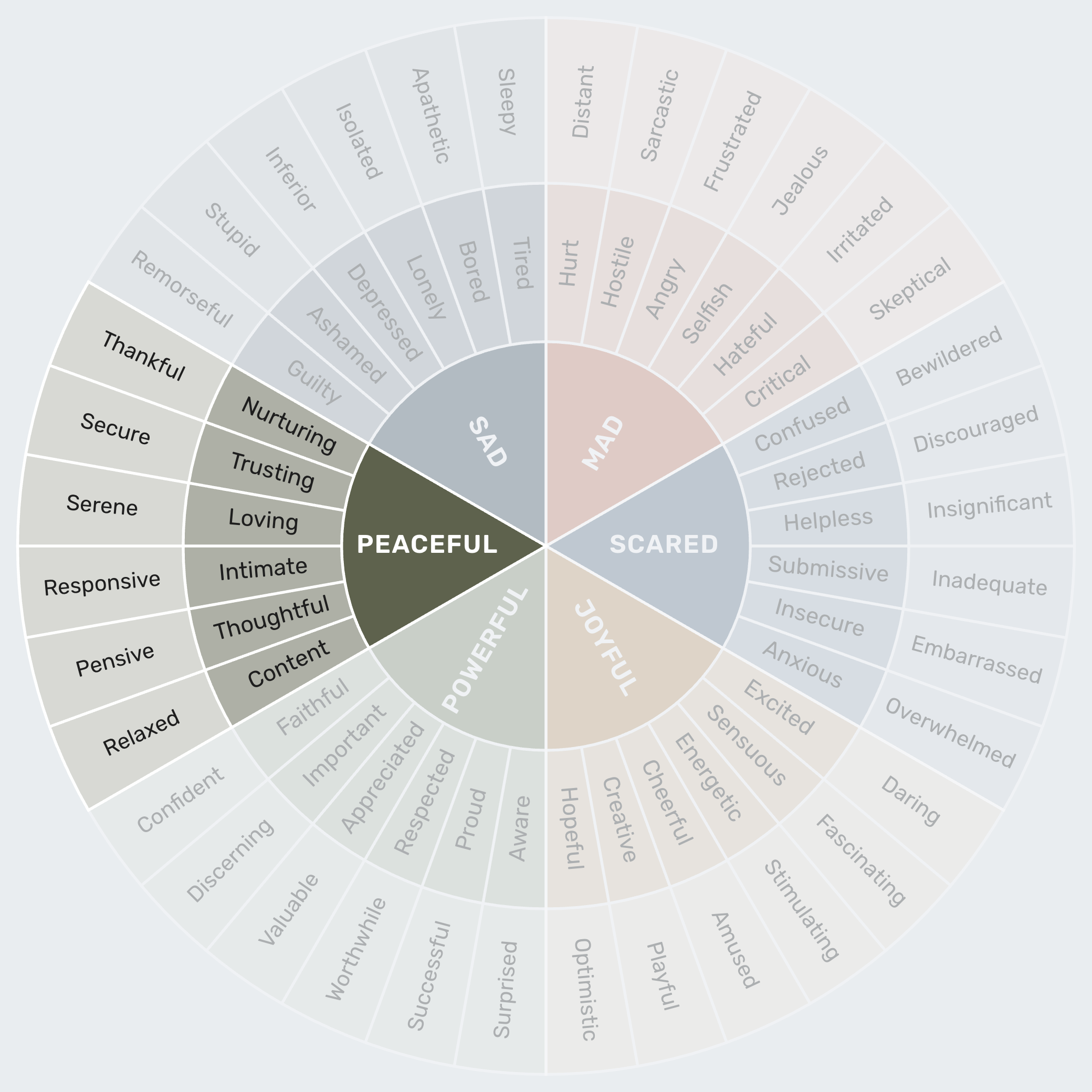
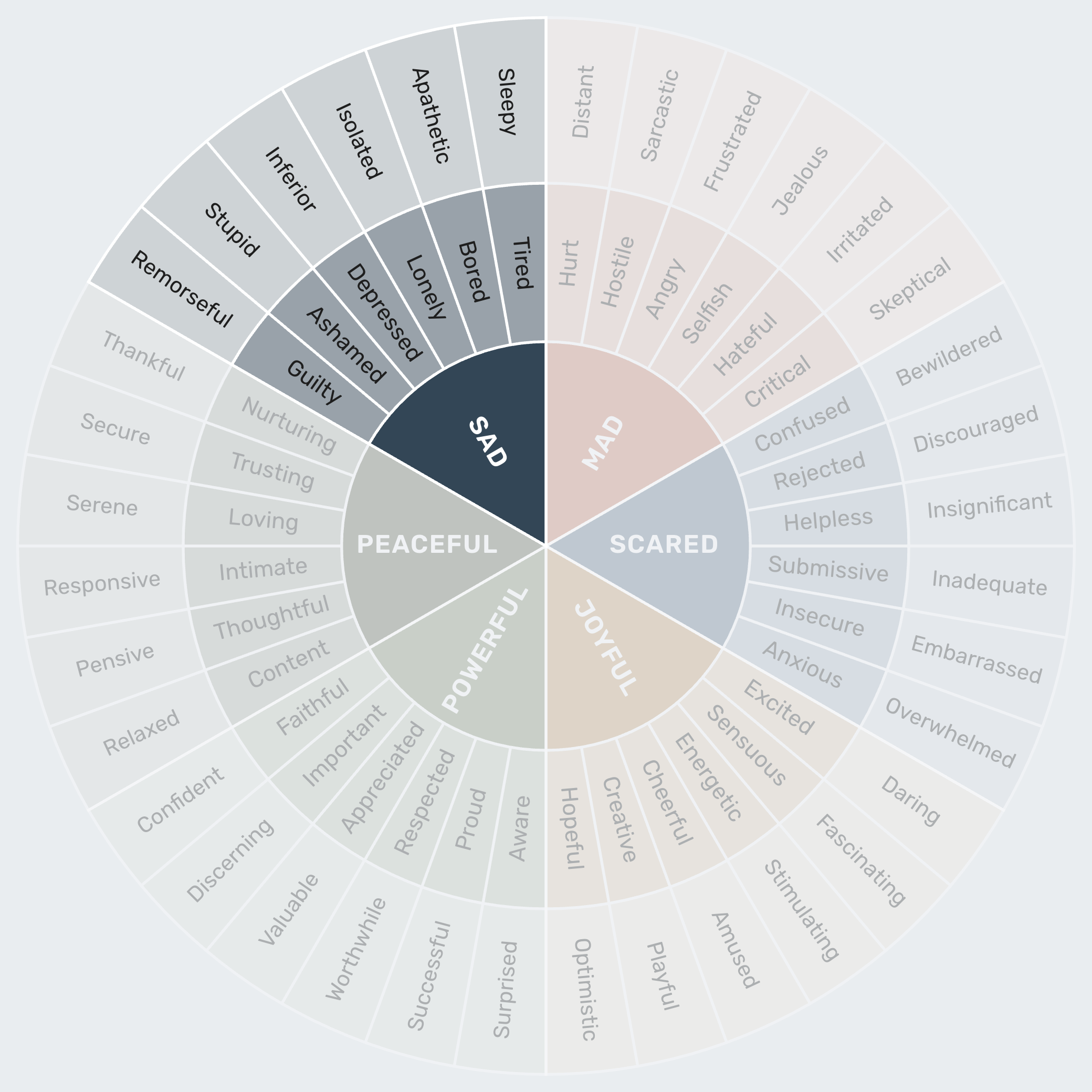
Tap the color family that feels closest, even if the word is not exact. The wheel opens that family into more precise words.
Mad→Scared→Joyful→Powerful→Peaceful→Sad→Six shades of mad. Which is closest?
Six shades of scared. Which is closest?
Six shades of joyful. Which is closest?
Six shades of powerful. Which is closest?
Six shades of peaceful. Which is closest?
Six shades of sad. Which is closest?
Adapted from Gloria Willcox, “The Feeling Wheel,” Transactional Analysis Journal (1982). There is no wrong answer here, and feelings from different families can be true at the same time.
Resource Library
Trans Legislation Tracker
The 2026 Trans Legislation Tracker is an independent research effort tracking bills that seek to block queer and gender-diverse people from healthcare, education, legal recognition, and the right to publicly exist.
Last updated 9.25.26, built with data from Trans Legislation Tracker.
835
Active anti-trans bills
tracked across the United States in 2026
43
of 50 states
have introduced legislation this year

